Perth Museum opened its doors on Saturday 30 March 2024 after a £27 million redevelopment project. This world-class cultural and heritage attraction highlights the fascinating objects and stories that put Perth and Kinross at the centre of Scotland’s story. At its heart sits the Stone of Destiny, also known as the Stone of Scone, one of Scotland and the UK’s most significant historical objects. Returning to Perthshire for the first time in over 700 years, the Stone is the centrepiece of this new Museum and is free for all to view.
Alongside the Stone, the new Museum displays Perth & Kinross’s Recognised Collections of National Significance as well as iconic loans and exhibitions from the UK and abroad. The Museum is housed in a heritage Edwardian building that once served as a gathering place hosting everything from markets and concerts to political conferences and wrestling matches.
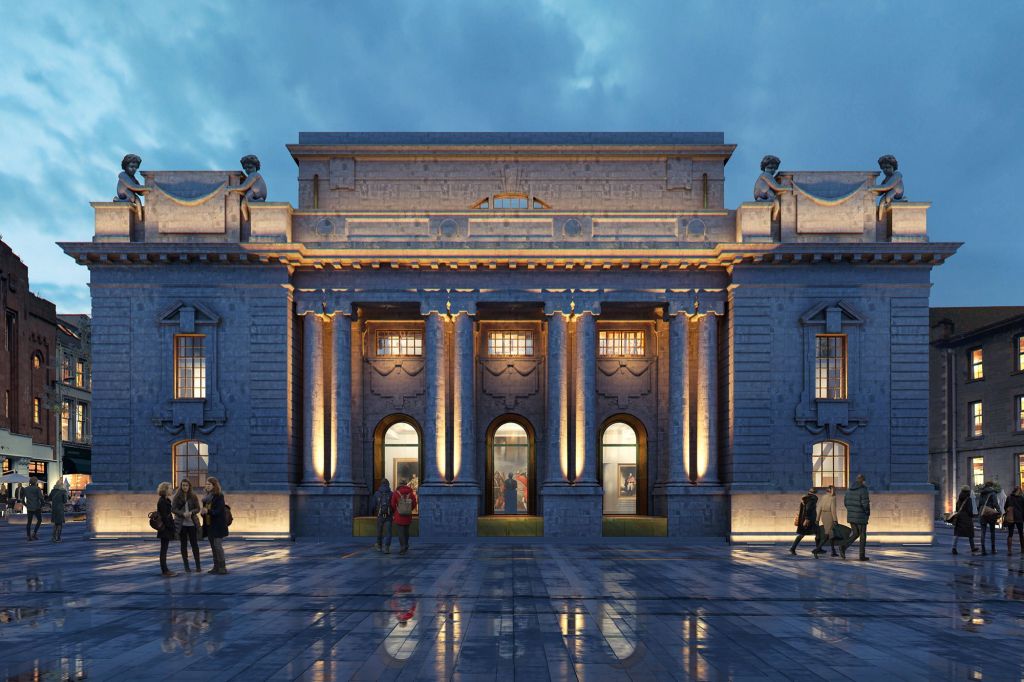
I was up during Easter break visiting my family and have been seeing social media posts about the newly reopened Perth Museum. I was excited to go and see it and decided to make it a family day out, taking my cousins and my great-aunt with me. The museum is based at the old townhouse, a historical building that needed renovation and alterations to fit a museum. I heard that the building was to be torn down but locals fought to keep it and it was suggested as the new museum location. Due to its historical nature and different use in the past, it’s not a usual museum layout. Great work has gone into the arrangement of space and it offers a unique visitor experience. The museum is organised in a linear way starting from the Bronze Age to mediaeval times downstairs and following with 18th Century onwards, ethnographic and natural history collections upstairs. The temporary exhibition rooms are also upstairs, divided between levels one and two.
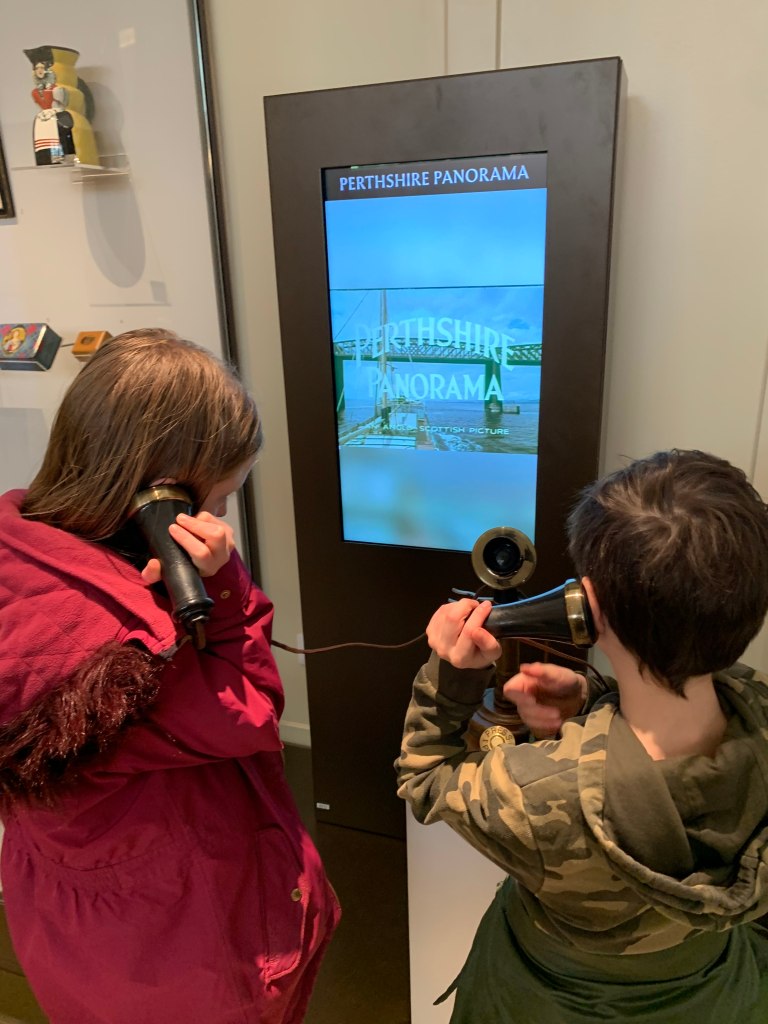
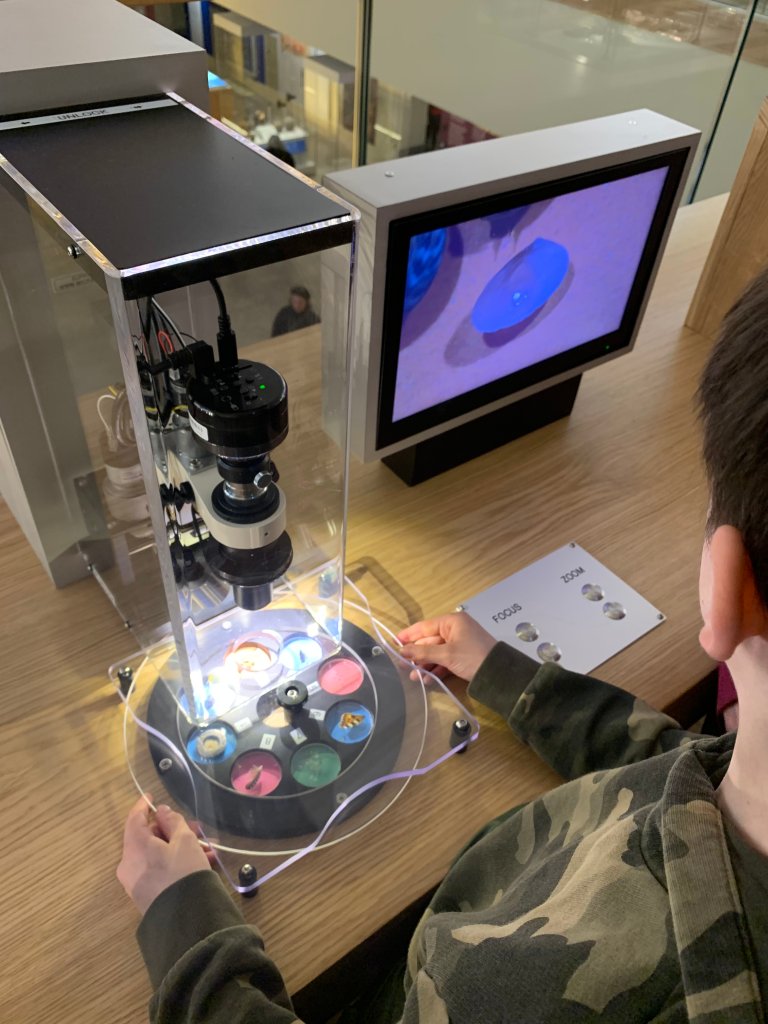
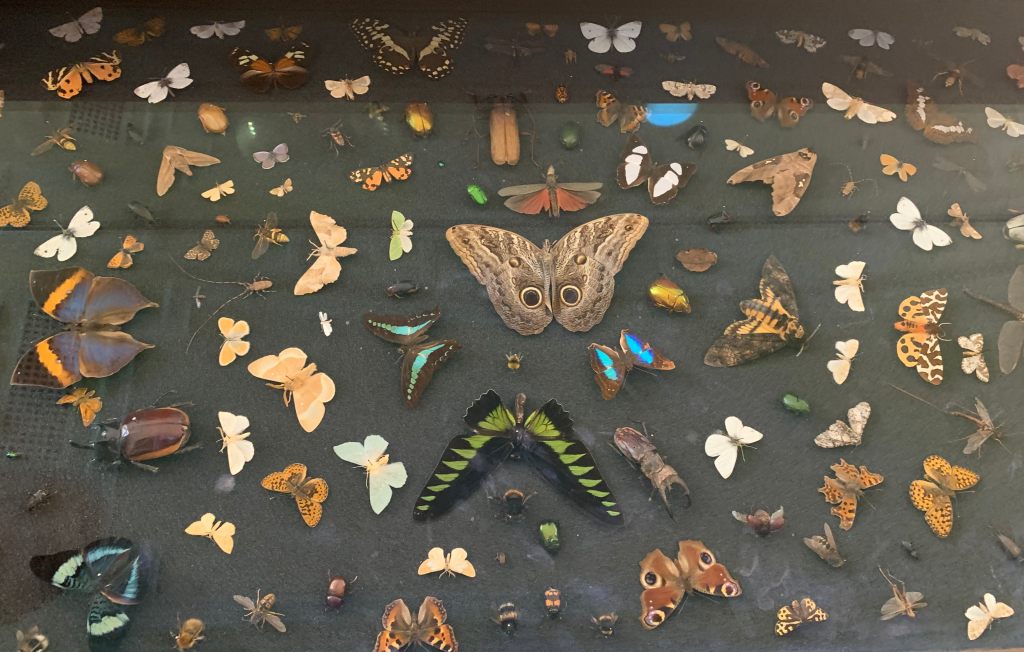
It is a gorgeous space, it’s light and open and people have space to explore the history of Perth and Perthshire. I loved the specific history fitting into national and global history. The museum is also brave at talking about uncertainties or problematic parts of history. The museum has been working with contemporary artists and members of the community in collaboration to represent and reinterpret some of the collection. There was a great mixture of objects, arts, personal stories and multisensory spaces and activities (screens, sounds added to natural history animal species, microscope to see some species better, games, recorded stories etc).
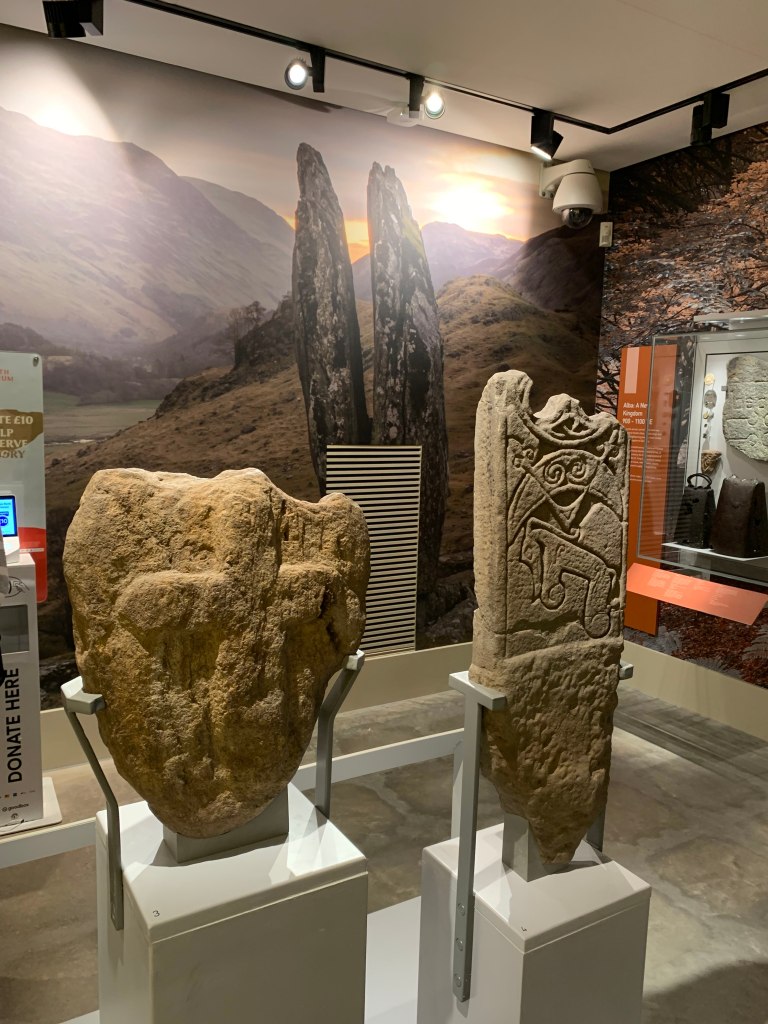
I especially loved the World War focus on women, it is not the usual perspective we learn about or see at a museum about the wars. My favourite parts were the Pictish and Scottish stone decorations (not something you see often), and the modern history collections on level one. I loved the dresses and shopping history from the 18th Century. We played a game where we all had to pick a favourite object (helped the kids looking around and choosing one thing they can show to their parents) and mine was a gorgeous set of keys we couldn’t actually find a description of. Another favourites were a Silver-mounted Dirk, a Penny-farthing bike, Georgian outfit including jewellery and a gorgeous pearl necklace made out of river pearls.
Opening Times and admission info: Open every day 10-5pm, Thursday till 7pm / Free entry, book free timed slot for the stone, temporary exhibition, £10 / £8 (concessions). / Children under 10 are free of charge with a fee-paying adult
The museum is located in the town centre, in a particularly nice area surrounded by bookstores, restaurants and quiet streets. Easy to access from the train or bus station and at a perfect location for people living in Perth. Quite a few people around me were travelling specifically to see the museum from all over Scotland. I think it’s a great fun day out for families while also for adults alone or with friends. They have a late opening on Thursdays and it quietens down from 4-5pm onwards which is perfect for an adult visiting who wants to avoid the chaos of children. When we visited it was the Easter holidays so the museum was heaving with families and it was a lot of fun enjoying the museum in a lively environment. I also went back later in the evening alone to explore the temporary exhibition ‘Unicorn’ and by then it was quieter and perfect to learn more and focus.

It is free to go to the museum but you need to book a free time slot to see the Stone of Destiny. The stone is in a small controlled room (limit of space, no phone, no jackets etc) that offers the history of the stone through digital media and the Stone.
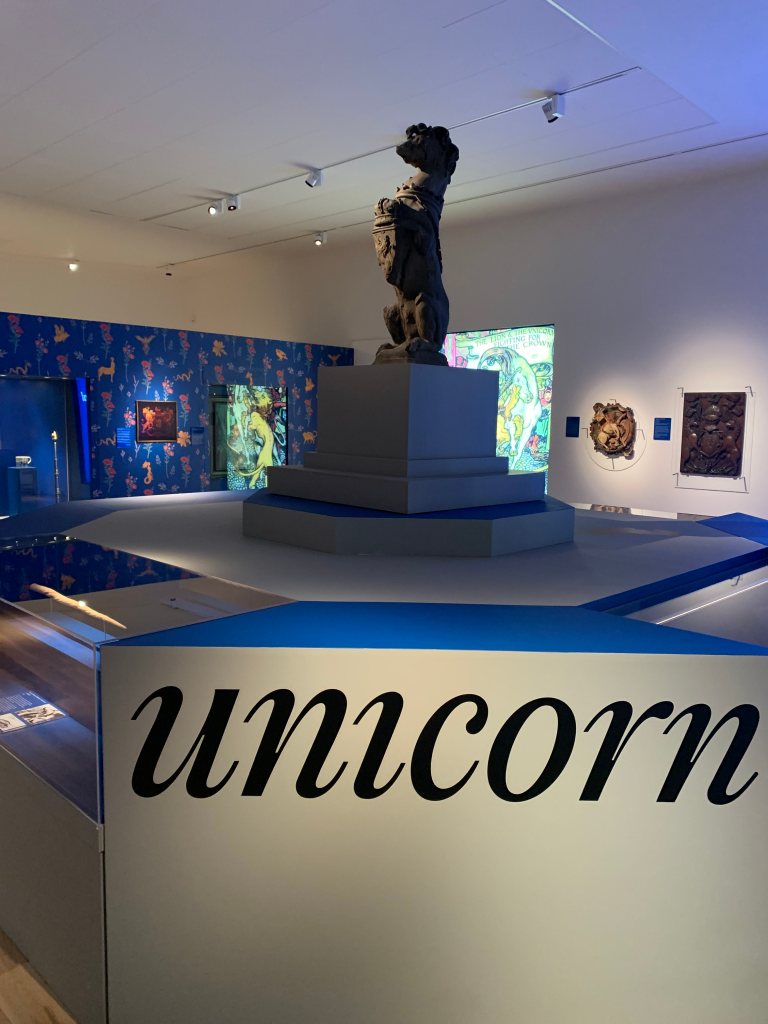
The temporary exhibition was ticketed but as a Museum Association member, I managed to get a discounted ticket for £8. I love unicorns, there was no way I would not go in to see the ‘Unicorn’ exhibition.
From Pliny to Pride, the Unicorn has been an enduring yet enigmatic symbol throughout the ages; a component of mediaeval medicine, an emblem of Scottish royalty, a beloved children’s character, and an icon of the LGBTQI+ community, just to name a few.
It was a beautiful exhibition covering the symbol, myth, and depiction of unicorns. Special to Scotland as its national animal, it has a long mythical history – really enjoyed reading some potions and ‘medicines’ using unicorn horns for it’s protective qualities.
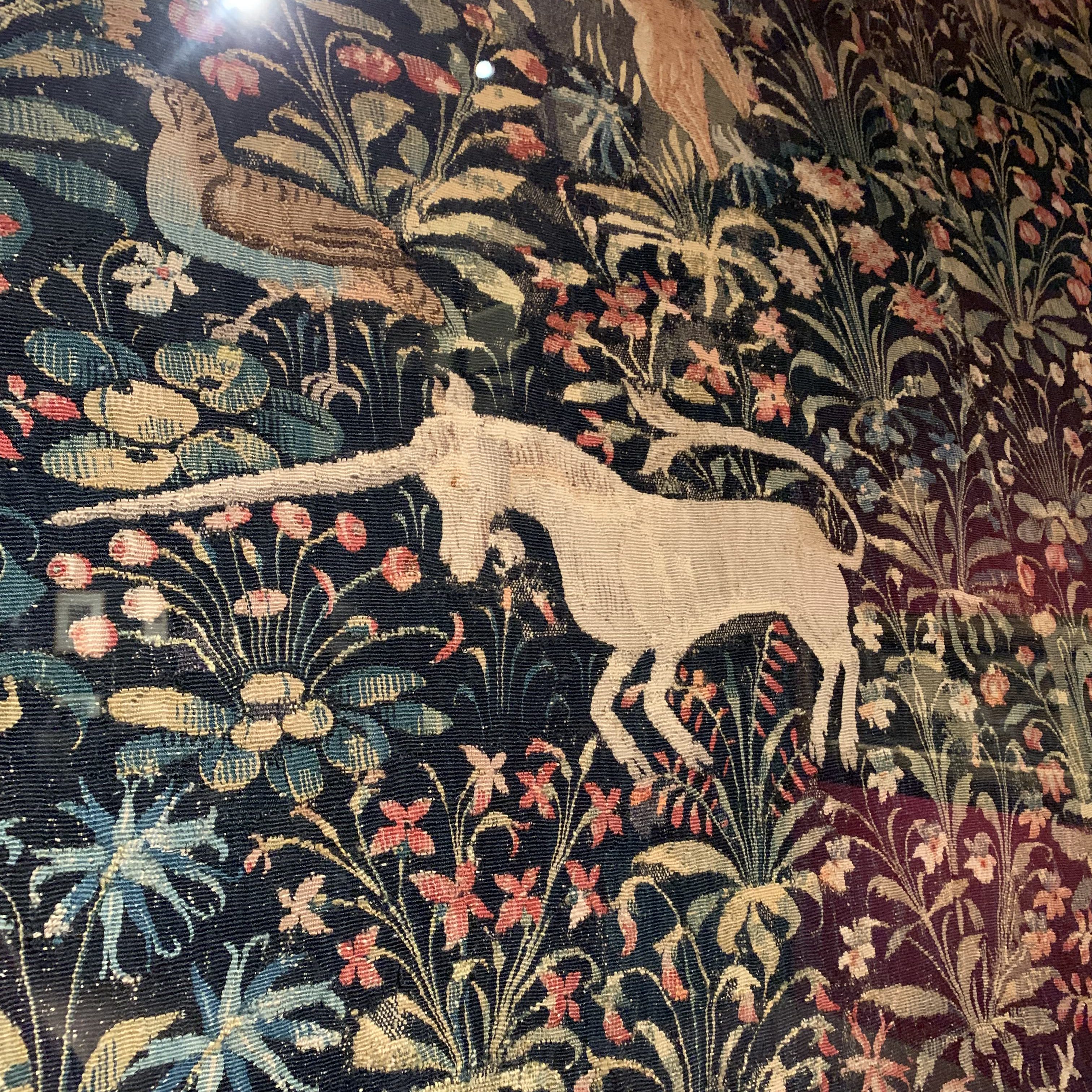
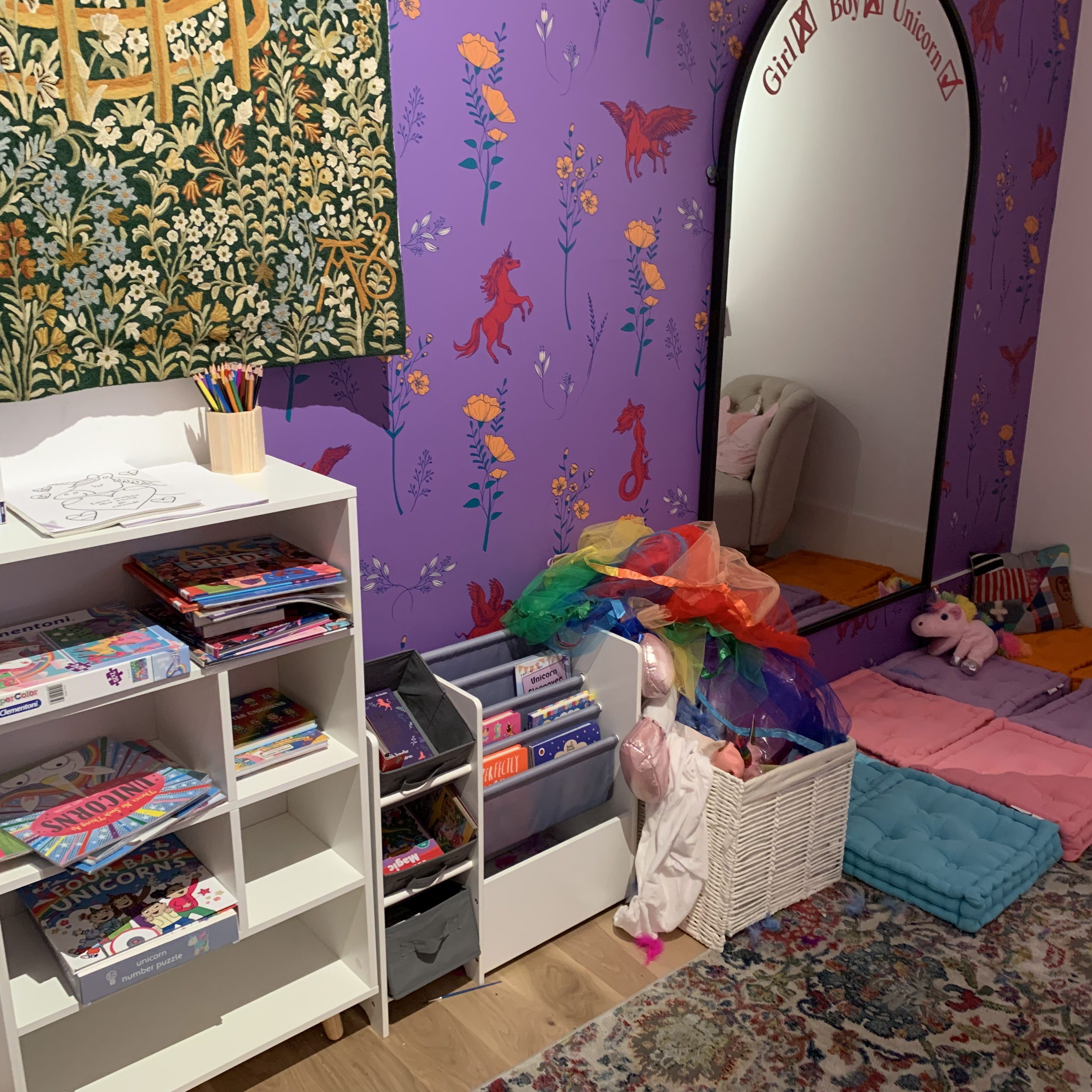
There were objects from the British Library, British Museum, V&A, National Museum and Library of Scotland, Wellcome Collection, Bodleian Library and Ashmolean Museum just to name a few covering medieval paintings, manuscripts, jewellery and other objects with unicorn theme. The exhibition finished at the top floor with contemporary reimaginations of unicorns, artist collaborations and a play corner. I would highly recommend a visit if you are going to the museum.
I think the museum did well by mixing up a traditional museum collection with a specific focus on Perth and Perthshire with new mixed media support to offer a great experience to visitors in a slightly unusual museum space.
There are a few things that I think could be done better and as museums are transforming, they are a work in progress. I think there was a lack of signage on where to start and how the museum is arranged. We started with mediaeval history, went up to modern history and when we needed a break and were looking for the café then we realised that we missed the prehistoric area. Which is not the end of the world, it was a good ending for us but that could have been easily signposted. The amount of screens and use of digital media (which makes the visiting more fun and offers diverse learning) was overused (in my opinion) to a degree that all cases had bright reflections due to screens therefore there is not one object or case I could take a good image of. It also made it hard to see the objects and there were lots of tiny precious things you would want to see as close and clear as possible. We also struggled with some of the labels and finding out more about an object – some we couldn’t find a label of at all, some had the wrong numbers and some were placed in places we had to search for instead of close to the objects. Due to the building layout and it not being a museum before, there were narrow corridors that were adapted into galleries. These were crowded and so narrow, you had to stand on one side to be able to see something on the other side, which caused queues and blocked view for others. It also felt very tight. One of these corridor galleries had human remains on display with no warning before going in and as it was crowded, I struggled to move past them fast. While I’m not as triggered by them as others, I don’t appreciate them being on display, especially with no warning that could have made me go another way. Another thing with no warning was the sounds and videos which would have been appreciated.
I don’t think people in a wheelchair would appreciate these tight corridors, everything being so close up and also high up.
I’m not sure how accessible the museum felt – loud noises, the amount of digital media use, no warning, tight spaces etc. I couldn’t find out a lot from the website other than physical accessibility to the entrance.
Another thing we found a bit difficult was one of the interactive games in one of these corridors where you had a miniature rock-throwing game which made a massive banging sound repetitively as children were trying it. After a few of these throws (constant banging) I was struggling with my head and focus. I can only imagine how frustrating or disturbing it could be for neurodiverse visitors.
I think it would be great to offer more things to touch and do while visiting to offer breaks and learning opportunities. Also possibly offer more context for some of the displays as it wasn’t obvious and when you have children with you or someone visiting from another country it took me a bit to understand something and to explain it to them afterwards.
What made this museum special was the historical building, the local people’s connection and the desire for it as the reopened museum. You can see beautiful storytelling of Perth’s history and how it relates to the world. The temporary exhibitions are and will be highlighting different themes while staying close to local history and importance, therefore complementing the collection on display. Experiencing the Stone of Destiny and its significance to the country for hundreds of years was something special, even if for me it didn’t mean quite as much as to a Scottish person.
 Hugs and Buttons