The Museum is looking at the past, present and future of London and its transport system. Historic vehicles, world-famous posters, original maps and signs are brought together to tell the story of London’s development and the part transport played in defining the unique identity of the city.
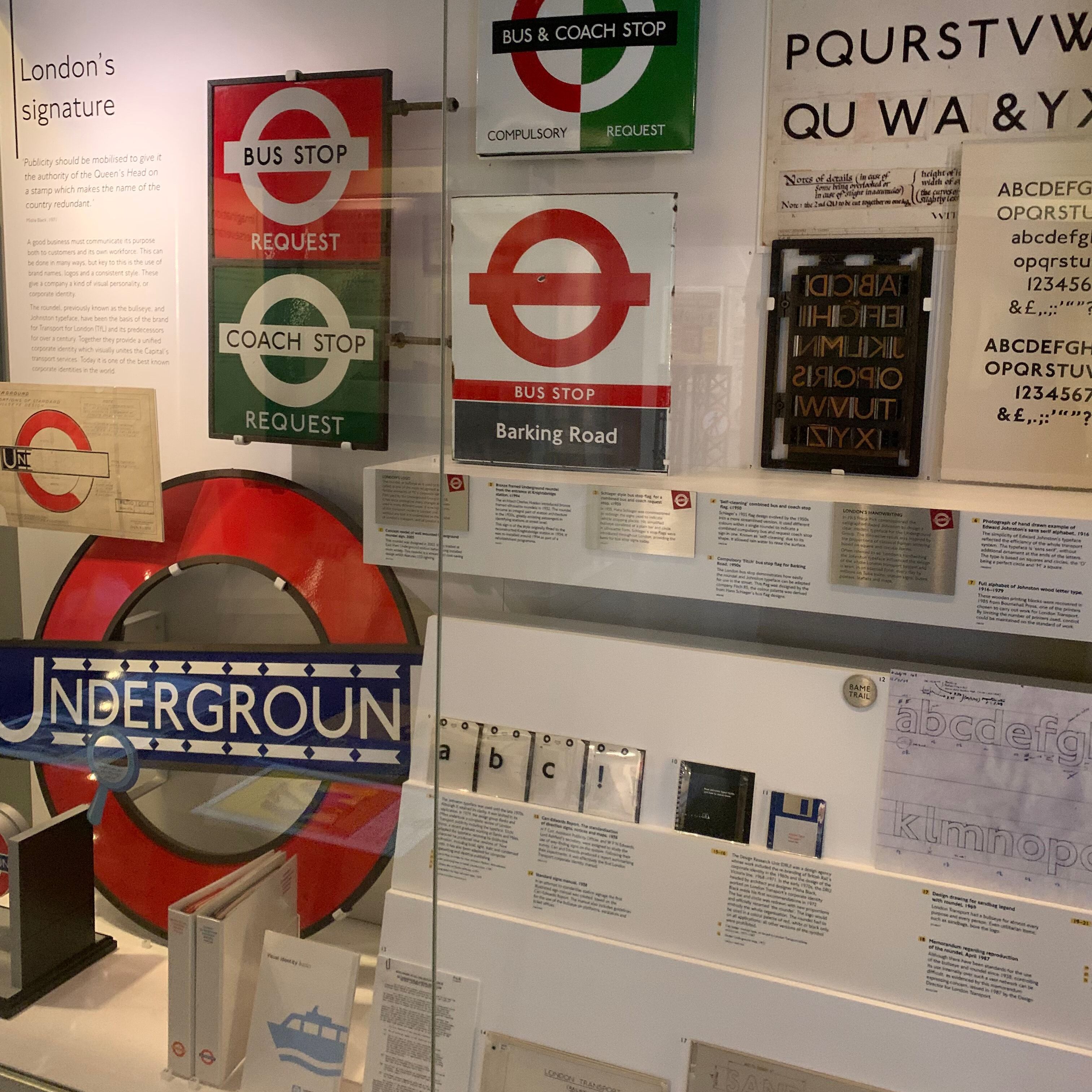
As I have some free time while applying for jobs I decided to explore museums that I have not been to yet or to see new exhibitions I wanted to go to for ages. I went to see Paul McCartney’s Photographs 1963–64: Eyes of the Storm at the National Portrait Gallery, The Offbeat Sari exhibition before closing at the Design Museum, Diva at the V&A, Rebel and Email is Dead exhibitions at the Design Museum and now the London Transport Museum.
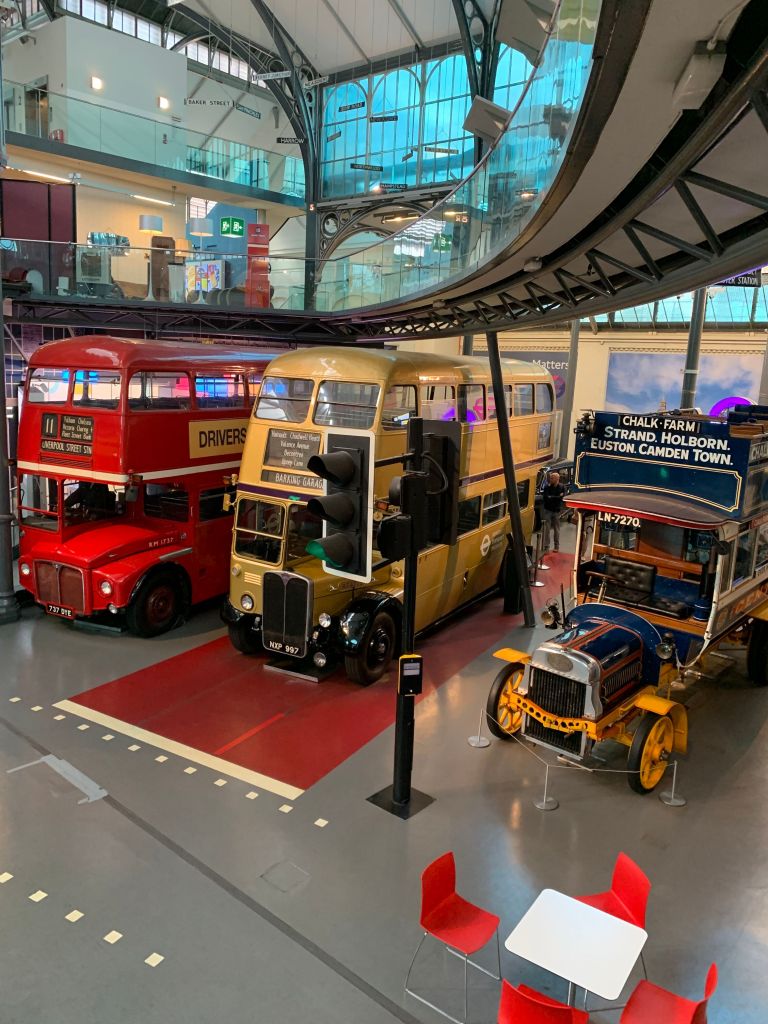
I put this visit off for years as I am not really into transport, technology or vehicles and I assumed it would be quite boring for me. I was surprised by this visit as I enjoyed it more than a few of my favourite museums. I think it’s one of my new favourite museums in London.
I thought this museum would be designed for children and families (which is true, amazing place for children to explore) but it was just as many young adults and older couples. It was a brilliant experience: loads of interactives, fun facts, personal stories, smaller tokens and paintings to stop for as well as large old-fashioned vehicles (some you could go into and see their designs).
The Museum has a great stamper trail on at the moment (just as many families and children engaging with it as people my age or older). It was fun as you needed to use an old-fashioned stamper (I have seen similar things in Hungary still in use). Everyone was having a lot of fun with it.
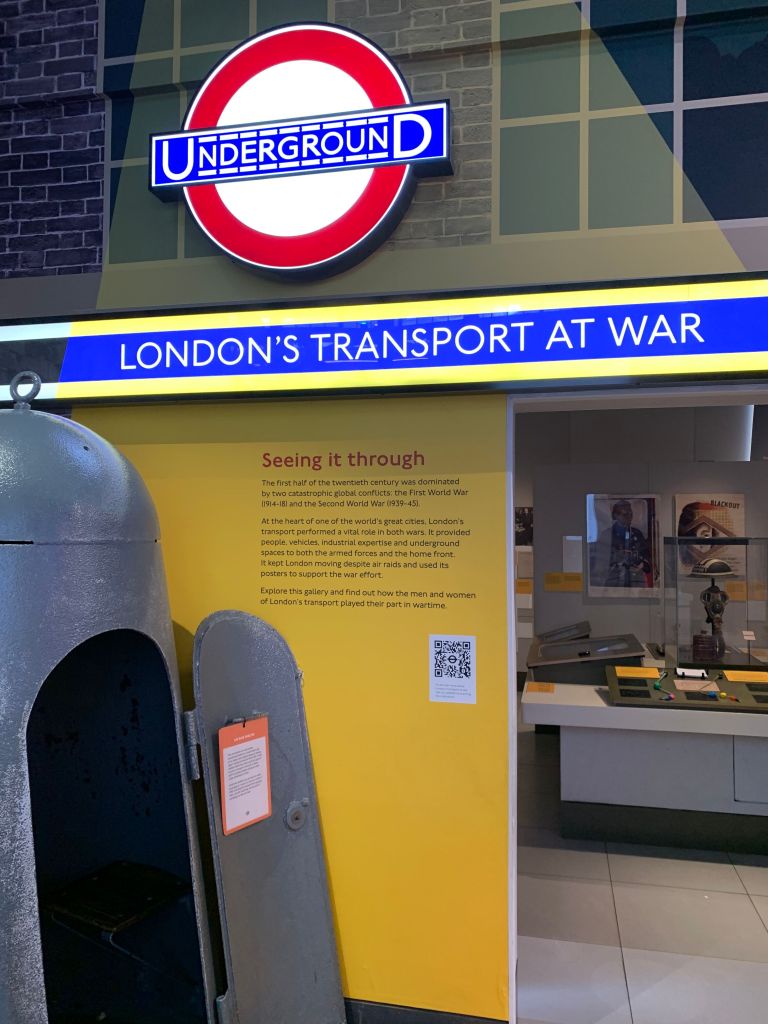
As a person not much into transport and vehicles, it was an excellent visit! It was a great mix of fun facts, history, range of objects and social history, highlighting personal experiences and stories. There was also a small exhibition on wartime, which I am not normally interested in (growing up in Europe it is a massive part of school, museums, anniversaries and national days etc) but this was done brilliantly and authentically. It focuses on people, transport and London’s experiences of the war with a range of techniques: oral histories, games, personal photos and videos, costumes, an easy game for children, large objects (like an air raid shelter) and a recording in a small room showing wartime stories (interviews, personal stories, public footage, images and videos of London).
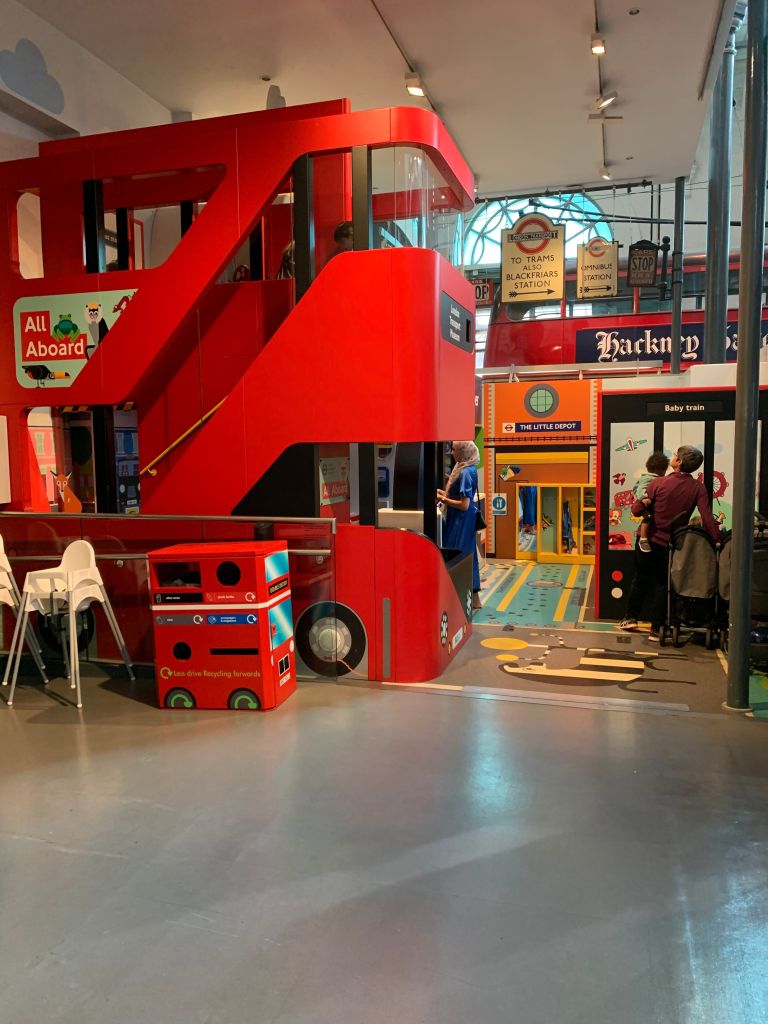
There were multiple interactive areas: one was a play area for under 7s, and also there was an area about technology, present and future innovations using a variety of digital tools such as a game, video, animation and statistics.
Their events range from school holiday activities for families, museum lates for adults as well as Hidden London tours focusing on the ‘forgotten’ parts of the Tube network (I have seen these videos on Instagram and YouTube and only learned that they offer them in person too).
I think the Museum is taking an amazing forward-thinking approach with their use of the collection, stories and engagement. They are shaping the museum into an inclusive, engaging and accessible space where people can learn, experience and enjoy themselves.
They are doing great with accessibility – their staff is wonderful and will help to make people feel welcome and comfortable at the museum. All levels are accessible via lift and there are great spacing so people in a wheelchair can navigate the space easily. There are also different levels of placement of labels and objects (not only eye level for adults) which might not sound much but it enables all of us to enjoy the exhibition! They support hearing and visually impaired people with induction loops, subtitles, large prints and magnifiers. They offer a mix of media that could accommodate people with differing abilities
There are out-of-hour openings for people (both mornings and evenings) with sensory needs offering a quieter and less sensory-stimulated experience. There are also sensory bags that could support the visit for neurodivergent people. The Museum also created a virtual tour and visual story for people to use as a resource before their visit therefore making their visit easier and as comfortable as possible.
As a person with knowledge of accessibility in museums while also one with no accessibility needs, these actions and inclusive thinking in design were very visible. I felt welcome, comfortable and engaged along with all the other people in the museum.
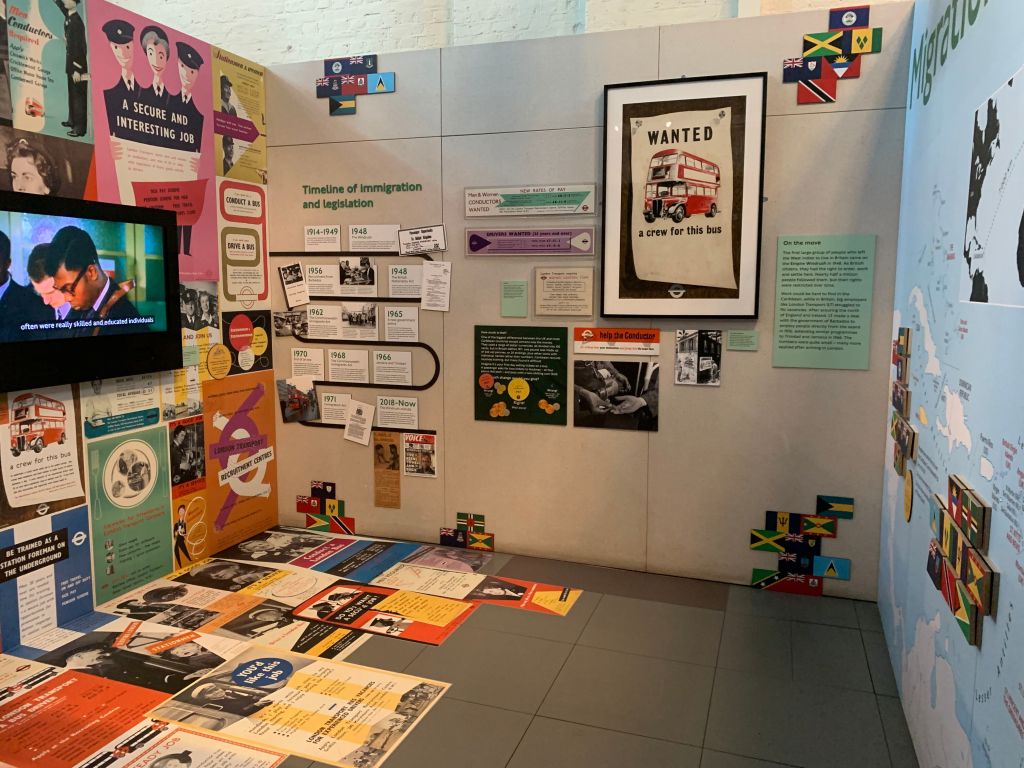
The museum ends with a great exhibition on Windrush and transport, again focusing on something important and serious but narrowing it down to transport and people’s stories. It was highlighting personal journeys and amplifying voices that are normally ignored. A lot of organisations were highlighting Windrush as this year is its 75th anniversary, but a lot of them did not feel like they did more than just jumping into a topic and issue to promote their commitment to diversity and inclusion. It felt different at the London Transport Museum; it felt authentic, personal and important to the organisation.
My visit then ended (and started) with the shop. While it is not the V&A shop (my ultimate favourite museum shop) it is a brilliant gift shop where they understand the task of connecting with their collection and offer something of interest to all. Typical shop items like books, games, key chains, and mugs but make it all London transport theme. Brilliant, we all have our favourite lines (Jubilee and Circe/Hammersmith for me) and I would buy merch showing my love for them. Using old designs for London transport posters and models of trains they are honestly the best in using their collection for commercial purposes.
They also just released their moquette collection highlighting the different designs for each tube line (I’m in love and I think others are too) and it’s a must-have.
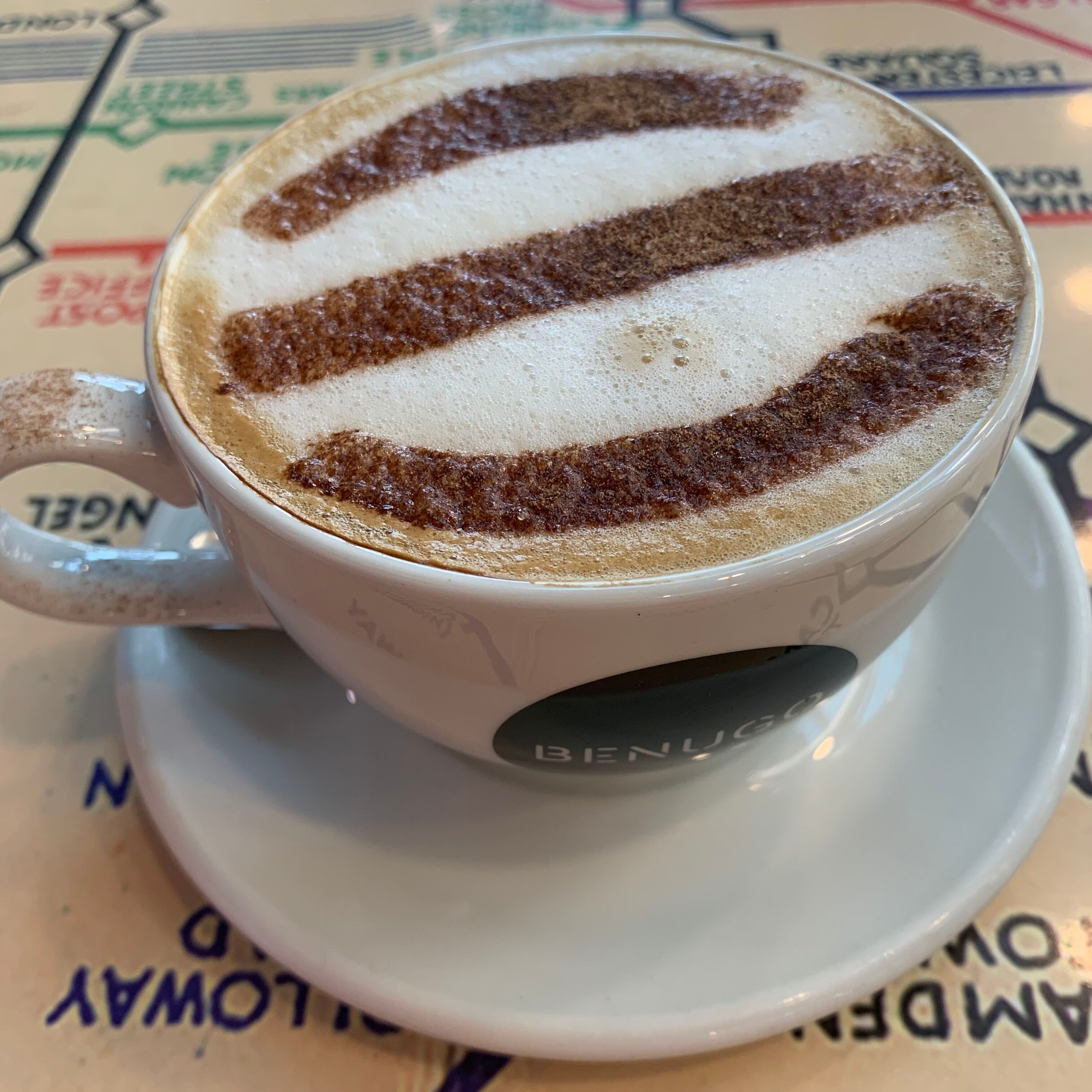
I also went upstairs to their Canteen (which is again brilliantly using their collection and old designs to offer you an experience) for a cappuccino and yes they use the TFL sign on the top. Brilliant!
Why is this museum great? It was a great mix of objects and stories using different media that supports engagement, focus and learning for people with different needs. Smart use of digital and objects as well as stories all the way to make this museum relevant and engaging. It focuses on London and its history through the focus on transport which felt like a great perspective. While focusing on transport the museum told you about history, politics, society, trends, technological development as well as the present day which offered a great whole story connected. It is accommodating and designed with people in mind!
Disclaimer: It is a personal opinion as well informed by reading and talking to people who advocate for accessibility and inclusive practice in museums rather than informed by lived experience.
 Hugs and Buttons